In this article:
Mold Problems in Biloxi, Solved Locally
Homeowners in Biloxi deserve a simple way to find help with mold problems. Mold can show up in almost any home, from a damp bathroom corner to a musty basement. Comparing a few free quotes from local, licensed specialists is the easiest way to see fair pricing before committing to anyone. Biloxi sees its share of severe weather, and that can add extra dampness concerns on top of the usual culprits. Whether the issue is a small spot in a closet or something spread across multiple rooms, a licensed professional can assess it properly. Go ahead and compare a few local providers today to see what options are available near you.
What Happens When Mold Goes Unchecked
Finding mold in your home is unsettling, especially when you're not sure how serious it actually is. After heavy wind and rain events, water can work its way into places you can't easily see, like behind drywall or under flooring. Left alone, a small damp spot can turn into a more stubborn problem within just a few days. Musty odors, discolored patches on walls or ceilings, and allergy-like symptoms are all common warning signs worth paying attention to. Many homeowners try a DIY fix first, only to find the staining comes right back a few weeks later. A licensed specialist can inspect the affected area, identify the underlying cause, and lay out a clear plan to resolve it properly.
Getting Rid of Mold the Right Way
What a Mold Inspection and Cleanup Visit Looks Like
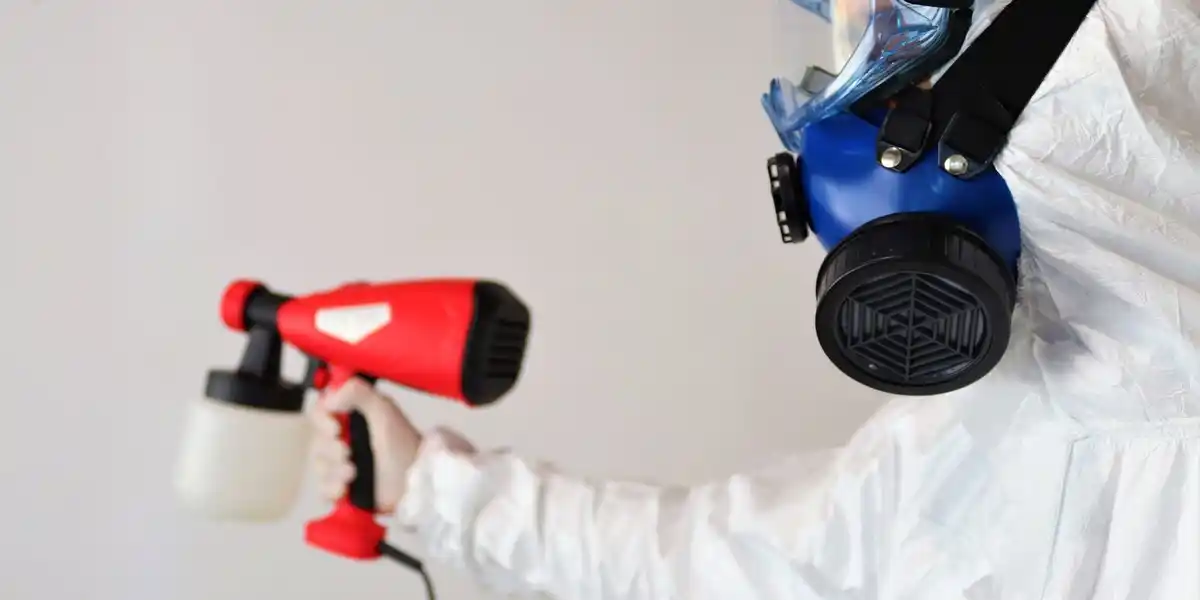
A typical visit usually starts with a thorough inspection to find every affected area, not just what's visible. Air or surface samples may be taken to confirm the type and extent of the mold before any work begins. From there, the specialist sets up containment to keep spores from spreading to the rest of the home during cleanup. Damaged drywall or insulation are removed or treated, and the area is cleaned following guidelines such as the IICRC S520 standard. Addressing the moisture source itself, whether that's a roof leak or poor ventilation, is just as important as the cleanup. Once the work is finished, a final check helps confirm the space is dry and the issue has been properly addressed.
Mold Removal Cost Estimator
Typical Mold Removal Costs by Service Type in Biloxi (Estimate)
Note: these are average reference prices. Request a quote for an exact price.
| Typical Mold Removal Costs by Service Type | Average Price per project |
|---|---|
| Mold Inspection and Testing Visual inspection plus air or surface sampling | $ 182.77 - $ 548.30 |
| Small-Area Mold Removal Bathroom, closet, or single-room spot treatment | $ 456.91 - $ 1370.74 |
| Moderate Mold Remediation Basement, crawl space, or multi-room remediation | $ 1370.74 - $ 3655.31 |
| Whole-House Mold Remediation Extensive contamination across multiple areas | $ 3655.31 - $ 9138.27 |
| Attic Mold Removal Roof deck and attic insulation treatment | $ 913.83 - $ 2741.48 |
| HVAC and Duct Mold Cleaning Air duct and HVAC system decontamination | $ 411.22 - $ 1096.59 |
Mold Removal and Prevention Services in Biloxi
Mold Inspection and Remediation After Storm Damage
Following a storm with strong wind and heavy rain, checking for hidden moisture is one of the most important steps a homeowner can take. Wind-driven rain can push water past flashing, shingles, or window seals in ways that aren't always obvious from inside. A specialist can inspect the attic, roofline, and interior walls for signs of moisture that could lead to mold. Sometimes even a small leak that started during one storm can turn into a bigger mold problem within a matter of days. Testing helps confirm whether mold is present and how far it may have spread through the structure. If contamination is confirmed, remediation typically involves removing damaged materials and treating the affected area. Pricing for this kind of work depends on how many rooms or areas are affected and how extensive the water intrusion was. Addressing it early tends to keep the scope of work, and the cost, smaller than waiting. Comparing quotes from a few local, licensed providers is a good way to see what's fair for the scope of the job.
Treating Mold in the Attic and Roof Structure
The attic is one of the first places moisture problems show up after roof damage. Damaged shingles or flashing can let water seep into the insulation and roof deck without being noticed right away. A specialist can check the roof deck, rafters, and insulation for staining, softness, or a musty smell. Wet insulation often needs to be removed and replaced since it rarely dries out on its own. Cleaning exposed wood surfaces helps stop mold from spreading further into the structure. That kind of work is often paired with the roof repair itself so the moisture source gets fixed at the same time. Catching attic mold early can help protect the rest of the home from a bigger, more expensive problem later. Pricing for attic work depends on the size of the space and how much insulation needs replacing. Getting a local specialist can walk through the attic and give an honest estimate of what's needed.
Maintenance Steps to Reduce Future Mold Risk
Once the immediate mold problem is handled, keeping an eye on moisture going forward matters just as much. Regular roof inspection before storm season can catch small issues, like loose shingles, before they turn into leaks. Gutters and downspouts should be checked regularly so rainwater moves away from the foundation instead of pooling. A dehumidifier in humid months can help keep indoor moisture levels from creeping up. Looking at the attic and crawl space a few times a year helps catch a leak before it becomes a full remediation job. No single treatment permanently prevents mold from ever coming back, so ongoing attention is worth the effort. A local specialist can suggest a maintenance schedule based on the home's age and layout. Small habits, like fixing a small leak right away, go a long way toward avoiding a bigger bill down the road. Keeping up with these checks is usually far cheaper than dealing with a full remediation later.
Financing Options for Mold Remediation Work
Price for mold removal varies a lot depending on how many areas are affected and how extensive the damage is. A small spot treatment costs far less than a whole-house remediation project. Homeowners insurance typically covers mold removal only when it results from a sudden, covered event like a burst pipe, not from long-term leaks or humidity. Storm-related damage may be covered if it's tied to a specific covered event, so it's worth checking the policy details and filing a claim promptly. The specialist can walk through financing options, including payment plans some companies offer for larger projects. Getting a few quotes before starting work is one of the best ways to make sure the price is fair.
Understanding Storm-Driven Mold Risk in Biloxi
A high risk of hurricane-force wind in this area means wind-driven rain can find its way past the roof or windows during a major storm. That kind of intrusion can soak insulation and drywall, and mold can start growing within just a few days if it's not caught. The coastal flood risk here is rated very high, which adds another layer of moisture concern beyond wind damage alone. Strong wind risk in the area is rated relatively high, and either type of storm can compromise a roof's ability to keep water out. At about 217 rainy days and 66.5 inches of rain a year, homes here deal with routine moisture on top of any single storm event. In Mississippi,
Local Facts for Biloxi
How Comparing Mold removal Works in Biloxi
Tell Us About Your Mold Problem
Answer a few quick questions about the location and size of the affected area.
Get Matched With Local Pros
We connect you with mold removal companies that serve your area.
Compare and Choose
Review provider details and licensing information before deciding who to contact.
Take the Next Step Toward a Mold-Free Home
If you're dealing with a small spot of mold or something more widespread, getting a professional opinion is a good first step. Comparing a few free quotes from local, licensed specialists helps you see a fair price range before committing to anyone. Every home is a little different, so it's worth talking through the specifics with a professional rather than guessing. Acting sooner rather than later tends to keep the scope of the work, and the cost, more manageable. There's no obligation to hire anyone just for asking about the process and getting an estimate. Take a few minutes and compare quotes from mold removal specialists serving Biloxi today.
Call (877) 307-1322