In this article:
Mold Removal in Bozeman: What You Need to Know
Finding a reliable mold removal service in Bozeman doesn't have to be complicated. Whether you've spotted a small patch in the bathroom or you're worried about something more widespread, a licensed specialist can take a look and tell you what's really going on. Comparing a few free quotes from local providers is usually the fastest way to understand your options before committing to anything. Bozeman's wetter stretches of weather can make moisture problems show up sooner than homeowners expect. A short inspection often clears up exactly what's causing the smell or staining you've noticed. Ready to see what's out there? Request a few quotes and compare your options today.
When Mold Becomes a Problem in Bozeman
Discoloration on the ceiling are often the first sign that moisture has been sitting somewhere it shouldn't. Left alone, a small leak can turn into a far more stubborn mold problem within just a few weeks. With so many rainy days on the calendar in Bozeman, a roof or window leak that would dry out quickly elsewhere can keep feeding mold growth for a long stretch. Many homeowners don't realize how much damage is happening behind drywall or under flooring until the smell becomes impossible to ignore. Cleaning the visible spot without finding the source usually means the problem just comes back. A certified mold specialist can trace the moisture back to its source and outline a plan to fix both the mold and what's causing it.
How a Mold Specialist Resolves the Issue
How Professional Mold Remediation Works
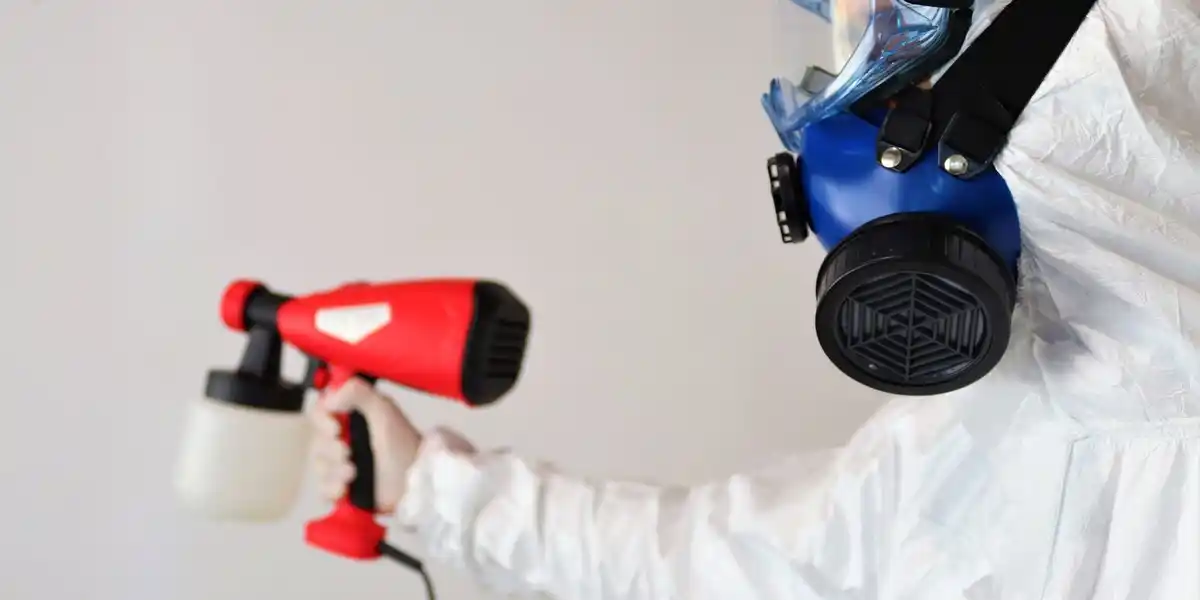
The process usually starts with a detailed inspection to confirm where moisture is entering and how far the mold has spread. Air or surface samples may be taken to get a clearer picture of what's happening behind walls or under flooring. From there, the specialist lays out a specific plan covering containment, removal, and cleanup before any work begins. Contaminated materials get removed and the affected area is treated following guidelines such as the IICRC S520 standard many professionals follow. Fixing the moisture source itself, whether that's a roof leak, a window seal, or poor ventilation, is just as important as cleaning up the visible mold. Once the work wraps up, a final check confirms the area is dry and the underlying cause has been addressed.
Mold Removal Cost Estimator
Typical Mold Removal Costs by Service Type in Bozeman (Estimate)
Note: these are average reference prices. Request a quote for an exact price.
| Typical Mold Removal Costs by Service Type | Average Price per project |
|---|---|
| Mold Inspection and Testing Visual inspection plus air or surface sampling | $ 244.68 - $ 734.05 |
| Small-Area Mold Removal Bathroom, closet, or single-room spot treatment | $ 611.71 - $ 1835.12 |
| Moderate Mold Remediation Basement, crawl space, or multi-room remediation | $ 1835.12 - $ 4893.66 |
| Whole-House Mold Remediation Extensive contamination across multiple areas | $ 4893.66 - $ 12234.16 |
| Attic Mold Removal Roof deck and attic insulation treatment | $ 1223.42 - $ 3670.25 |
| HVAC and Duct Mold Cleaning Air duct and HVAC system decontamination | $ 550.54 - $ 1468.10 |
Mold Removal Services Worth Comparing in Bozeman
Full-Service Mold Remediation
This is the core service most homeowners are looking for: getting existing mold safely removed from the home. A specialist will seal off the affected area first so spores don't spread to other rooms during the work. Basements and crawl spaces are common trouble spots, especially after a stretch of wet weather. In places that see a lot of rainy days, a roof flashing or window seal that fails can keep feeding moisture into the same spot for months before anyone notices. That's why the specialist typically checks nearby areas too, not just the spot where the mold is visible. HEPA filtration equipment may be used to keep spores from spreading during removal. Once the cleanup is finished, surfaces are treated to discourage regrowth on the spot that was affected. The scope of the job depends heavily on how long the moisture was present before it was caught. Getting a few quotes side by side helps you see whether the proposed scope matches what similar homes in Bozeman typically need.
Attic and Roof Deck Mold Checks
Many homeowners dealing with a rain-related mold issue also want the roof deck checked while a specialist is already on site. A leak that starts at the roofline can travel a surprising distance before it shows up as a stain on the ceiling below. Roof sheathing that stays damp for long stretches is a common spot for mold to take hold unnoticed. Having the air ducts inspected at the same time makes sense too, since damp ductwork can spread spores through the whole house. A combined visit often costs less overall than scheduling two separate appointments later. This kind of bundled inspection also gives you a fuller picture of where moisture is entering the home. If ventilation in the attic or bathroom fans venting isn't working properly, that gets flagged as part of the same visit. Addressing the airflow problem alongside the mold removal helps keep the same spot from becoming a repeat problem. Ask about bundling these services when you request quotes, since not every provider offers all of them together.
Financing and Maintenance Guidance
Budget usually comes up first once homeowners understand the scope of the work. A licensed specialist can walk you through financing options if the total falls outside what you'd planned to spend. Homeowners insurance typically only covers mold removal when it results from a sudden event like a burst pipe, not from ongoing leaks or humidity. That means routine, rain-related moisture issues are usually paid for directly rather than something a claim will cover. Comparing a few estimates before choosing a provider is one of the simplest ways to keep costs reasonable. Ask each provider what their price includes, since testing, containment, and cleanup aren't always bundled the same way. After the work is done, keeping an eye on humidity levels can help catch a new issue early. A simple hygrometer can flag rising moisture before it turns into a visible problem again. Routine checks, especially after a heavy stretch of rain, are a practical way to stay ahead of regrowth.
Understanding the Cost of Mold Removal
Remediation pricing can vary quite a bit depending on how much area is affected and how the mold got there in the first place. A small spot treatment in one room costs far less than a project covering a basement or multiple rooms. Many providers offer financing arrangements for larger jobs, so it's worth asking about options during your quote request. Permit and licensing requirements vary by state and city, so confirming current requirements with the local building department is a good idea before work starts. Florida and Texas require mold assessors and remediators to hold a state-issued license separate from general contracting, so it's worth checking credentials either way. Comparing quotes side by side makes it easier spot which providers include testing and follow-up in their price and which charge separately.
What Frequent Rain Means for Mold Risk in Bozeman
At 209 rainy days a year, Bozeman sees far more chances for a small roof or window leak to turn into an ongoing moisture problem than drier parts of the country. Add in 20.9 inches of precipitation annually, and it's not surprising why exterior moisture stays elevated for long stretches of the year. Average humidity sits around 67.1 percent, which gives mold plenty of moisture it needs to keep growing once it gets started indoors. Soil in the area is generally classified as 209 drainage, which affects how quickly water moves away from the foundation after a storm. Slower-draining soil near the foundation can push extra moisture toward crawl spaces and basements during the wettest months. In Montana, , which is one more reason to have a specialist check for hidden moisture, not just visible mold.
Local Facts for Bozeman
How Comparing Mold removal Works in Bozeman
Tell Us About Your Mold Problem
Answer a few quick questions about the location and size of the affected area.
Get Matched With Local Pros
We connect you with mold removal companies that serve your area.
Compare and Choose
Review provider details and licensing information before deciding who to contact.
Ready to Compare Mold Removal Quotes?
No matter what's going on in your home, comparing a few quotes is a simple way to see what mold removal actually involves for your situation. The process is quick to request quotes from licensed providers near Bozeman. There's no obligation to hire anyone just for asking a few questions and getting a price range. Every home is different, so seeing a few options side by side helps you understand what's reasonable for your specific case. Whether it's a minor spot or a bigger project, getting matched with the right specialist starts with a simple request. Compare your options today and take the first step toward a cleaner home.
Call (877) 307-1322