In this article:
What Chicopee Homeowners Should Know About Mold Removal
Plenty of homeowners across Chicopee run into mold issues at some point, and getting it handled doesn't have to be complicated. Comparing a few nearby specialists side by side is the easiest way to see fair pricing before committing to anything. Whether it's a small spot in the bathroom or something spreading through the closet, a qualified professional can size up the situation quickly. Massachusetts's climate can quietly work against a home's indoor air over time, and that's worth keeping in mind even if nothing looks wrong yet. A quick inspection now can save a lot of hassle later. Ready to see what local pros charge? Request a few free quotes today and get a clearer picture of your options.
Mold Doesn't Fix Itself
A faint musty smell is often the first sign something's wrong, even before any mold is visible. Moisture beading up where warm air meets a cold wall can start feeding mold long before anyone notices a leak. Left alone, that moisture problem doesn't go away on its own, it usually spreads. Mold can work its way into drywall, insulation, and trim, which makes the fix more involved the longer it sits. Some homeowners try bleach first, only to see the spots return a few weeks later because the underlying moisture was never addressed. A licensed mold specialist can pinpoint the actual moisture source and treat the mold at its root, not just wipe away what's visible.
Steps a Specialist Takes to Remove Mold
How a Local Specialist Handles Mold Removal
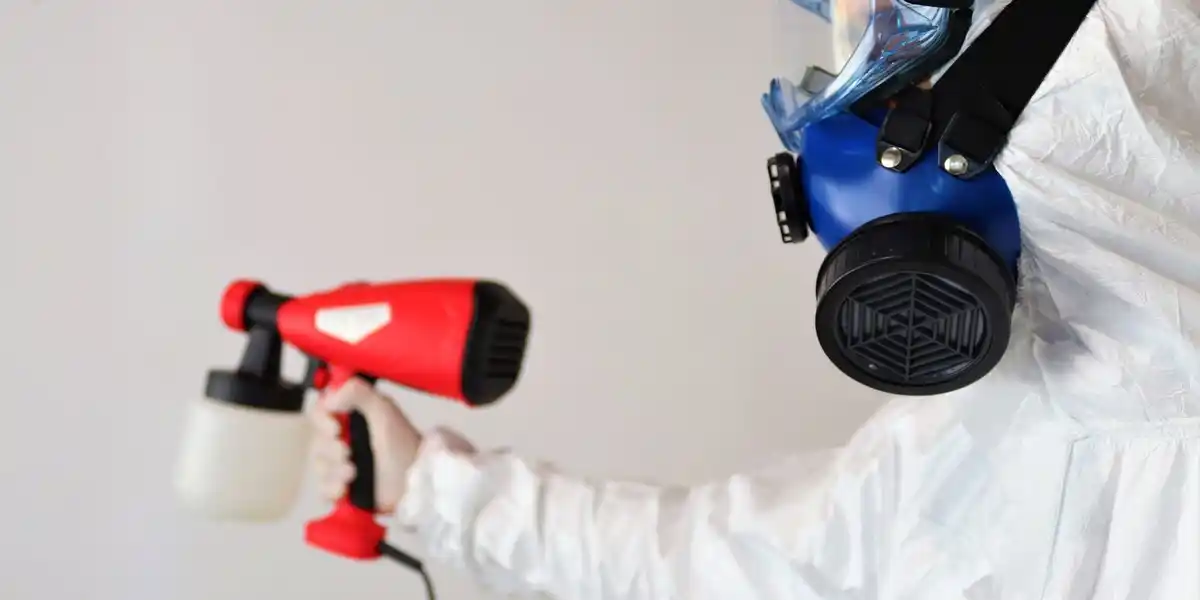
A certified specialist typically begins with a close inspection and some sampling to identify the mold type. From there, the specialist maps out how far the moisture and mold have spread, including spots that might not be visible at first glance. Containment barriers go up before any removal begins, keeping spores from drifting into unaffected rooms. Contaminated materials like drywall or insulation get removed and the remaining surfaces are cleaned and treated. Many professionals follow the IICRC S520 standard for mold remediation, which lays out consistent steps for containment, removal, and cleanup. The last step is addressing the moisture source itself, since the EPA and CDC both note that skipping this step is the most common reason mold comes back.
Mold Removal Cost Estimator
Typical Mold Removal Costs by Service Type in Chicopee (Estimate)
Note: these are average reference prices. Request a quote for an exact price.
| Typical Mold Removal Costs by Service Type | Average Price per project |
|---|---|
| Mold Inspection and Testing Visual inspection plus air or surface sampling | $ 196.86 - $ 590.57 |
| Small-Area Mold Removal Bathroom, closet, or single-room spot treatment | $ 492.14 - $ 1476.43 |
| Moderate Mold Remediation Basement, crawl space, or multi-room remediation | $ 1476.43 - $ 3937.14 |
| Whole-House Mold Remediation Extensive contamination across multiple areas | $ 3937.14 - $ 9842.86 |
| Attic Mold Removal Roof deck and attic insulation treatment | $ 984.29 - $ 2952.86 |
| HVAC and Duct Mold Cleaning Air duct and HVAC system decontamination | $ 442.93 - $ 1181.14 |
Services to Consider
Mold Inspection and Removal
The core service starts with a careful inspection to find where moisture is collecting and how far the mold has spread. In a humid climate like Chicopee's, that often means checking spots where warm air meets a cooler surface, closet corners, window frames, or sections of ductwork. Sampling may be used to confirm the mold type before any work begins. Once the scope of the problem is clear, the specialist removes the mold from affected surfaces and materials. Drywall or insulation that have absorbed too much moisture typically get replaced rather than just cleaned. Containment measures help keep spores from spreading to other rooms during the work. After removal, surfaces are cleaned to discourage regrowth in the same spot. A follow-up check usually confirms the visible mold is gone and the area looks clean. Because scope varies by job size and severity, comparing a couple of quotes beforehand helps homeowners see a fair range before committing.
Tackling Mold in Your Air Ducts
Ductwork and vents are common trouble spots because they run through walls and attics where temperatures swing between warm and cool. When moist indoor air passes over a cooler duct surface, condensation can form on the inside, giving mold a place to grow undetected. A musty smell coming from the vents is often the first clue something's off inside the system. A specialist can inspect the HVAC system separately from the rest of the home to check for buildup along the interior. Cleaning the ducts removes trapped mold and debris that a standard room-by-room treatment wouldn't reach. This service is usually done in addition to the main mold removal work rather than on its own. Keeping the ductwork clean also helps indoor air quality, since spores can otherwise circulate every time the AC kicks on. Routine HVAC maintenance between visits can help keep the problem from coming back as quickly. Ask a local specialist whether duct cleaning makes sense for your home before scheduling the main job.
Advice for After the Work Is Done
Removing existing mold is only part of the picture, managing indoor moisture afterward matters just as much. A specialist can suggest simple habits, like running exhaust fans longer or wiping down condensation on windows, that reduce the odds of a repeat visit. A portable humidity monitor in problem areas can help homeowners catch rising moisture levels before mold has a chance to start. On the cost side, it helps to understand that pricing depends heavily on the size of the affected area and how much material needs replacing. Spot jobs in a single room cost far less than remediation that spans a basement or multiple rooms. Homeowners insurance typically only covers mold removal when it results from a covered event like a burst pipe, not from ongoing humidity or neglect. Because of that, most mold removal costs related to humidity or condensation fall on the homeowner rather than an insurance claim. A certified specialist can walk you through financing options if the job is larger than expected. Getting a periodic inspection in a humid area like Chicopee can catch small issues before they turn into bigger ones.
Paying for Mold Removal
Mold removal costs range quite a bit depending on how much area is affected and whether materials need to be replaced. A small spot treatment in a bathroom or closet costs far less than remediation across a basement or several rooms. An initial assessment is often billed separately from the actual removal work. Homeowners insurance generally covers mold removal only when it follows a sudden, covered event like a burst pipe, not gradual humidity or long-term leaks. That means most humidity-related mold jobs are paid out of pocket, which makes comparing quotes worthwhile. A licensed specialist can walk you through financing options if the scope of the job turns out to be larger than expected.
Why Chicopee Sees More Mold Than Other Areas
With 176 rainy days a year, Chicopee sees no shortage of chances for indoor humidity to climb. Add a 80.5 coastal flood risk rating into the mix, and excess moisture becomes even more of a recurring concern. Soil in the area is classified as 80.5, which affects how quickly water moves away from foundations after a storm. A seasonal high water table around 80.5 inches below the surface means crawl spaces and basements can stay damp longer into drier months. In Massachusetts, . With a median home age of 69 years in Chicopee, older homes here may lack the ventilation newer construction includes.
Local Facts for Chicopee
How Comparing Mold removal Works in Chicopee
Tell Us About Your Mold Problem
Answer a few quick questions about the location and size of the affected area.
Get Matched With Local Pros
We connect you with mold removal companies that serve your area.
Compare and Choose
Review provider details and licensing information before deciding who to contact.
See Your Options in Chicopee
Whether you've spotted a small patch of mold or just want a professional opinion, comparing a few local specialists is a smart place to start. Every home in Chicopee is a little different, so a certified specialist can give you an assessment specific to your situation. Getting multiple quotes helps you see a fair price range before committing to any work. There's no obligation to book anything just by requesting a quote or two. Take a few minutes to fill out your details and see who's available near you. Browse the local options below and find a mold specialist that fits your needs and budget.
Call (877) 307-1322