In this article:
Get Started with Mold Removal in Little Rock
Homeowners across Little Rock run into mold at some point, from a damp closet to a more stubborn growth behind drywall. Checking out a few local, licensed specialists before you commit is usually the easiest first move. A quick inspection can tell you whether you're dealing with a minor spot treatment or something larger. Some homes in Little Rock face added moisture pressure depending on how the surrounding soil drains. Getting a couple of free quotes lets you see a realistic price range before any work starts. Reach out to a few local pros and see what they suggest for your specific situation.
Common Mold Issues in Little Rock Homes
Water that lingers near the foundation instead of draining away is one of the most common reasons mold gets started. After moisture works its way into a basement or crawl space, mold can begin growing within just a couple of days. A musty smell, discolored drywall, or a damp patch on the floor are usually the first signs something's wrong. Ignoring those early signs tends to let the growth spread into insulation, framing, and other spots that are harder to reach. Mold exposure can also aggravate allergies or breathing issues for susceptible household members. A licensed specialist can track down the moisture source and clear the growth before it spreads further.
A Closer Look at the Mold Removal Process
The Path From Diagnosis to Resolution
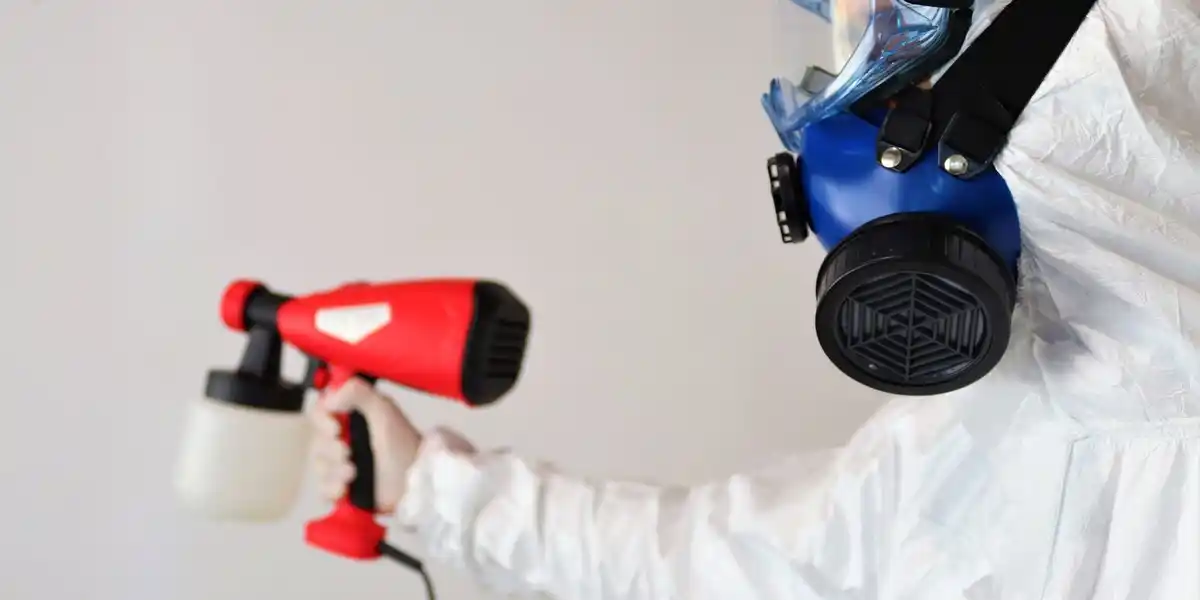
The process usually starts with a visual inspection and, in many cases, air or surface sampling to confirm what's growing. After that, the specialist maps out which areas are affected and how far the moisture has traveled. Physical barriers and negative air pressure help keep spores from spreading to unaffected rooms during the work. Affected materials get cleaned or removed depending on how porous the surface is and how much damage has occurred. Many professionals follow guidelines like the IICRC S520 standard to keep the work consistent with industry practice. Once the area is dry, the specialist typically points out any repairs needed to stop the moisture from returning.
Mold Removal Cost Estimator
Typical Mold Removal Costs by Service Type in Little Rock (Estimate)
Note: these are average reference prices. Request a quote for an exact price.
| Typical Mold Removal Costs by Service Type | Average Price per project |
|---|---|
| Mold Inspection and Testing Visual inspection plus air or surface sampling | $ 179.77 - $ 539.32 |
| Small-Area Mold Removal Bathroom, closet, or single-room spot treatment | $ 449.44 - $ 1348.31 |
| Moderate Mold Remediation Basement, crawl space, or multi-room remediation | $ 1348.31 - $ 3595.50 |
| Whole-House Mold Remediation Extensive contamination across multiple areas | $ 3595.50 - $ 8988.74 |
| Attic Mold Removal Roof deck and attic insulation treatment | $ 898.87 - $ 2696.62 |
| HVAC and Duct Mold Cleaning Air duct and HVAC system decontamination | $ 404.49 - $ 1078.65 |
Mold Removal Options in Little Rock
Below-Grade Mold Remediation
In homes with slow drainage, basements and crawl spaces are usually the first places mold turns up. A specialist typically starts by assessing how much of the space is affected and whether the growth has reached framing or insulation. Because these spaces sit low and close to the soil line, they're more exposed to groundwater and runoff than upper floors, particularly where the soil carries a D rating that sheds water slowly. Mid-size remediation jobs in these areas often involve removing damaged materials and treating the surfaces underneath. Dehumidifiers are commonly used during the process to bring moisture levels back down to a safe range. A certified remediation professional can explain exactly which materials need replacing versus which can simply be cleaned. Sealing and treating the area afterward helps keep spores from resettling once the job is finished. Pricing for this kind of job depends heavily on how much square footage is involved and how deep the contamination goes. Getting a specialist's opinion early usually costs less than holding off for the problem to spread further.
Pairing Remediation with Drainage Repairs
Cleaning up the mold rarely sticks if the water causing it keeps returning. Many specialists pair remediation with a close look at grading, gutters, and drainage around the foundation. In areas with a slow-draining D soil profile, rainwater is more likely to pool near the foundation instead of soaking away. Redirecting downspouts away from the house is often one of the simplest fixes that makes a real difference. A sump pump or French drain might be worth discussing if water regularly collects near the foundation. Gaps in the foundation or slab are also worth sealing, since they give water an open path inside. Vapor barriers in a crawl space can cut down on the ambient moisture that feeds mold growth over time. A specialist can usually point out which of these fixes matters most for your particular property. Tackling the drainage issue alongside the cleanup, and bundling both into one visit, tends to be a better value than treating mold as a one-time event.
Ongoing Monitoring and Maintenance Advice
A little regular maintenance after remediation goes a long way toward preventing mold from coming back. Inspecting basements and crawl spaces after heavy rain is a simple habit that catches problems early. A hygrometer can help homeowners track humidity levels without needing to call in a specialist every time. Maintaining indoor humidity below roughly 50 percent makes it much harder for mold to take hold again. Homeowners insurance usually only covers mold removal when it stems from a sudden, insured event like a burst pipe, not from ongoing dampness. Budgeting for periodic maintenance can be cheaper in the long run than paying for another full remediation. A professional can walk you through financing options if a bigger repair, like drainage work, ends up being necessary. Yearly checkups on gutters, grading, and crawl space vents help catch small issues before they become expensive ones. Staying on top of these small tasks is usually far less costly than dealing with a full remediation job again.
What to Know About Mold Removal Pricing
Mold removal costs vary quite a bit depending on how much area is affected and how hard it is to reach. A small bathroom spot treatment costs far less than a whole-house remediation. Getting a few quotes side by side is usually the simplest way to see what's reasonable for your specific situation. Homeowners insurance typically only covers mold removal when it results from a sudden, covered event such as a burst pipe, not from long-term leaks or humidity. A specialist can walk you through payment plans some companies offer for larger jobs. Asking upfront about what's included in a quote, like testing or follow-up visits, helps avoid unexpected costs later.
How Soil Drainage Affects Little Rock Homes
Soil here falls into hydrologic soil group D, which drains slowly and lets rainwater run off toward structures instead of soaking into the ground. That lines up with a D drainage classification for the area, which tends to keep the ground waterlogged longer after storms. With a seasonal high water table around D inches below the surface, basements and crawl spaces can stay damp even long after the rain has stopped. Little Rock sees roughly 56 inches of precipitation a year, which is plenty of opportunity for water to collect near the foundation. Local flood risk is rated relatively high, another sign that water tends to linger rather than drain away quickly in this area. In Arkansas, , and that's a practical thing to factor in given how slowly water drains here.
Local Facts for Little Rock
How Comparing Mold removal Works in Little Rock
Tell Us About Your Mold Problem
Answer a few quick questions about the location and size of the affected area.
Get Matched With Local Pros
We connect you with mold removal companies that serve your area.
Compare and Choose
Review provider details and licensing information before deciding who to contact.
Ready to Compare Quotes
Ready to get started? Comparing a few local mold removal specialists costs nothing and only takes a few minutes. Because runoff in Little Rock tends to sit near the foundation instead of draining away, a fast quote request now can save you a bigger headache later. Licensed professionals in Little Rock can walk you through the process from inspection to final cleanup. Whether you're dealing with a minor spot or a larger remediation project, getting more than one quote helps you see a fair price. Connect with a few local providers today and compare what each one recommends for your home. There's no obligation to hire anyone just for requesting a quote. Start with the first step now and get matched with mold removal specialists near you in Little Rock. One short conversation today could prevent a much larger repair bill down the road. Get your free comparison started and see what local specialists recommend for your home.
Call (877) 307-1322